

Input at the FMCG Instore Summit 2024
The Input team participated this year in the largest event that gathers key players in the FMCG industry. This gathering is a perfect opportunity to track new trends, network, exchange ideas, and discuss current challenges in the sector.
Through three thematic blocks with fantastic speakers, we had the opportunity to hear fresh data and the latest experiences from the industry.
Consumer Behavior Analysis
In the first part of the conference, prominent speakers focused on customer behavior and their decisions when choosing brands and places to shop. The analyses provide insight into consumer behavior in today's dynamic market, emphasizing the importance of understanding their needs and preferences. After a "tightened" year, consumers are slowly relaxing and are ready to purchase something outside the "plan" that 71% of them make before going shopping.
Particular attention was paid to the share of promotions and private labels (PL) in the overall value generated through consumer baskets. This information is essential for retail strategies, as it analyzes how promotions can influence customer decisions and demand for various products.
Predrag Ćirović, Managing Director, Consumer Panel Services GfK, emphasized that brands are making a comeback and playing a more important role in Serbia, but also noted that a PL product has been purchased at least once in the past year by almost every shopper in the country. His remarks on the participation of promotions during purchases by generations were also interesting – younger generations pay less attention to promotions, while older citizens and millennials are very mindful of whether a product is on sale.
Discussions also covered the stabilization of inflation after a turbulent period, as well as the growth of the FMCG sector, which currently stands at around 11%. This growth dynamic opens new opportunities and challenges for all participants in the supply chain.
The importance of data collection and interpretation in making strategic decisions ranks at the top of priorities and captures the attention of participants once again. This topic is crucial for achieving a competitive advantage and successfully adapting to market changes.
Industry Leaders Share Their Experience
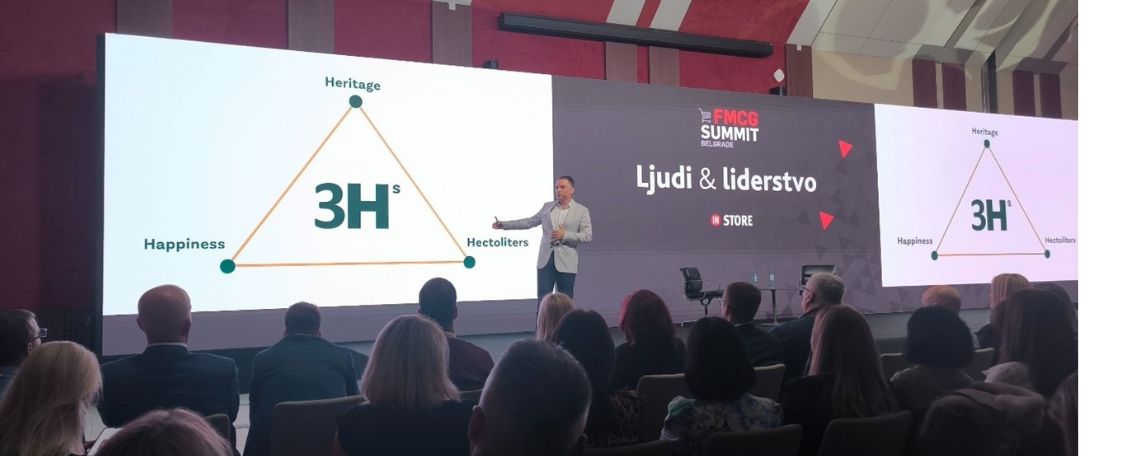
The second part of the summit brought leaders such as Boris Mačak, Executive Vice President of Nelt Group for African markets, and Vladan Matić, CEO of Kamenitza Brewery (Molson Coors) in Bulgaria, who presented their journeys from their perspectives. Boris Mačak discussed African retail chains that are leaders in markets like Angola, Zambia, and Mozambique, with over 54 million inhabitants and positive natural growth (3-4% annually). Vladan Matić explained his "3H approach," which he developed during his colorful career, originating from his roots in Loznica.
Vision of the Future of Retail
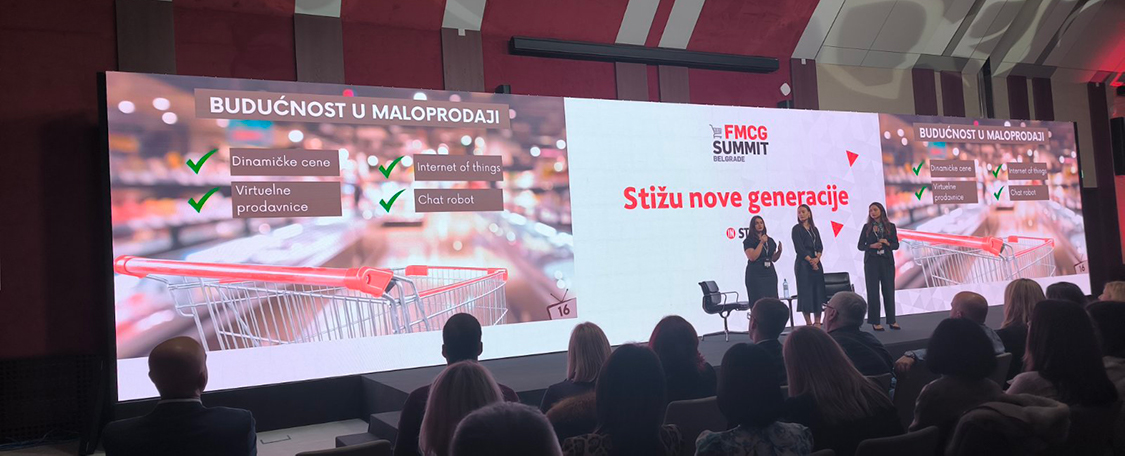
Students from the Faculty of Economics also participated in the summit, presenting their ideas about the future of retail, including innovations such as dynamic pricing, virtual stores, the Internet of Things (IoT), and the use of chatbots. Their vision demonstrates how technology can transform retail processes and enhance customer experience.
Focus on Current Challenges and Opportunities
As always, the final block of the conference was dedicated to "burning" topics. Hans Eysink Smeets, a retail expert from the Netherlands, provided interesting insights into how new players with a more streamlined number of items managed to outperform existing discounters in Norway. Analyzing the number of SKUs in the ketchup category on the shelves of Serbian retail chains, Hans emphasized that a more limited assortment doesn't necessarily mean less variety – the art lies in selecting the right items at the right place and in the right quantity.
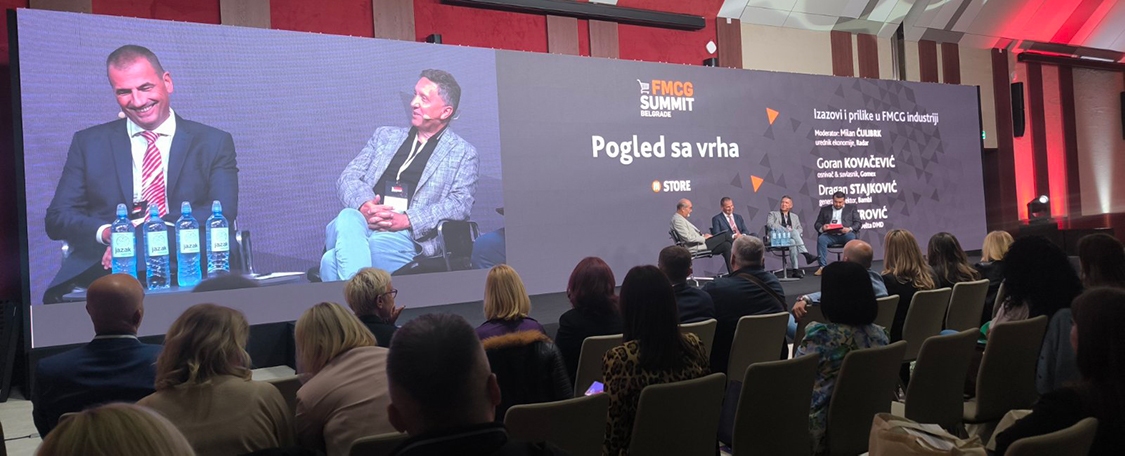
The summit concluded with a panel titled "Challenges and Opportunities in the FMCG Industry," moderated by Milan Ćulibrk, featuring Goran Kovačević, founder and co-owner of Gomex, Dragan Stajković, general director of Bambi, and Lazar Petrović, general director of Delta DMD.
“The most important” question for Dragan Stajković was: “When will plasma be back?” We learned that the launch and stabilization of production are expected in the second half of next year. Lazar Petrović explained how transport and logistics issues, such as long delays at borders and rising labor costs for drivers, have primarily impacted wholesale prices.
Summarizing the market situation, Goran Kovačević highlighted the challenges facing the industry: labor shortages, underdeveloped digital technologies, and how to justify declining profits during inflation due to market pressure and rising procurement prices.
The FMCG summit continues to meet expectations year after year, gathering key industry players in one place and creating an environment for education and discussion. We thank the organizers for this and look forward to reuniting in 2025! 😊